

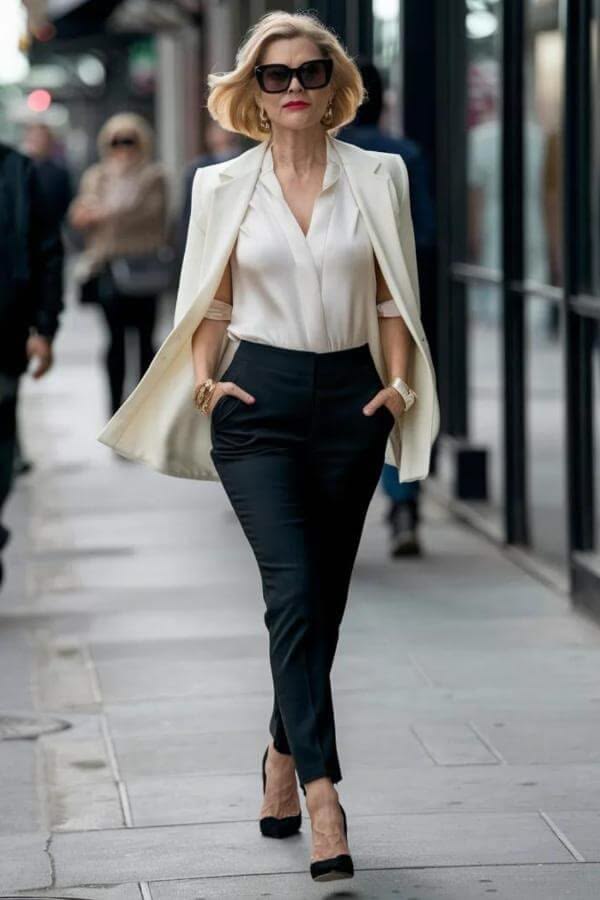
There is a distinct, undeniable power in wearing a single color from head to toe. Monochrome dressing strips away the overwhelming noise of prints, patterns, and chaotic color palettes, leaving behind pure architectural silhouette and intentional design. Among the entire spectrum, black and white stand alone as the ultimate extremes. They are the twin pillars of minimalist style, timeless elegance, and effortless sophistication. Mastering the art of all-black or all-white outfits is a rite of passage for anyone looking to elevate their daily wardrobe. When you remove color from the equation, you are forced to pay attention to what truly matters in fashion: texture, fit, proportion, and fabric.
The Philosophy of Monochrome Dressing
Monochrome style works because it creates an uninterrupted vertical line that naturally elongates the body. This creates a streamlined silhouette that looks instantly polished, regardless of whether you are wearing a tailored suit or a casual t-shirt and jeans combination. However, the biggest mistake people make when attempting an all-black or all-white look is treating the outfit as a single, flat block. Without color variation, a monochromatic outfit can easily look costume-like or lifeless if every single piece is made from the exact same cotton jersey or stiff polyester.
The secret to mastering monochrome magic lies in the manipulation of textures. When your color palette is restricted to a single hue, your garments must do the heavy lifting through tactile contrast. Pairing matte fabrics with high-shine materials, heavy weaves with delicate silks, and structured tailoring with fluid draping brings depth and dimension to your outfit.
Mastering the All-Black Ensemble
All-black dressing is a perennial favorite for a reason. It is universally flattering, effortlessly chic, hides minor stains or wrinkles, and transitions seamlessly from a corporate boardroom to an underground art gallery opening. Yet, an all-black outfit can sometimes fall flat if it lacks intentionality.
The Importance of Fabric Contrast
Because black absorbs light rather than reflecting it, wearing all-black can sometimes swallow your shape if you are not careful. To prevent your outfit from looking like a shapeless void, mix your textures aggressively.
-
Pair leather with knitwear: Wear a chunky, ribbed black wool sweater over sleek black leather trousers. The contrast between the heavy, cozy knit and the smooth, reflective leather instantly adds visual interest.
-
Incorporate silk and satin: Introduce a fluid black silk slip skirt or a satin blouse underneath a matte wool blazer. The play of light hitting the satin against the light-absorbing wool creates a sophisticated contrast.
-
Play with denim: A washed black denim jacket paired with jet-black tailored trousers introduces subtle tonal variations that break up the monotony.
Playing with Proportions
Silhouette is everything when working within a single color scheme. If you are wearing a fitted black top, consider pairing it with wide-leg, pleated black trousers or a voluminous maxi skirt. Conversely, if you choose an oversized black hoodie or an architectural coat, anchor the bottom half with slim-fit pants or sheer black hosiery. This balance keeps the look intentional and modern rather than sloppy.
Mastering the All-White Ensemble
While all-black is universally recognized as easy, all-white dressing is often perceived as intimidating. Between the fear of staining and the challenge of matching different shades of white, many people shy away from a completely white wardrobe. However, mastering all-white clothing is the ultimate flex in personal style. It projects an air of effortless luxury, crisp summer air, and bold confidence.
Navigating Shades of White
Not all whites are created equal. If you examine your white garments closely, you will notice that they fall into distinct undertone categories. Some lean cool and blue-based, while others lean warm with creamy, yellow, or ivory undertones.
-
Match your undertones: Mixing stark, optic white with a buttery ivory can sometimes make one piece look dingy or yellowed by comparison. Whenever possible, keep your undertones consistent throughout the look.
-
Use cream as a bridge: If you must mix shades, use a warm cream or oatmeal color as an intermediary piece to bridge the gap between a stark white top and beige or ivory bottoms.
Textures and Transparency in White
Because white reflects light, transparency becomes a major factor. Layering is your best friend when styling all-white clothing.
-
Wear nude undergarments: Never rely on white underwear beneath white clothing. Nude undergarments that match your skin tone are invisible beneath white linen or cotton.
-
Mix heavy and light fabrics: Pair crisp white cotton poplin shirts with thick cream cable-knit sweaters or textured tweed trousers. This ensures that the outfit remains opaque, luxurious, and visually rich.
Footwear and Accessories in Monochrome Styling
When your clothing is entirely black or entirely white, your choice of footwear and accessories can either make or break the final look. You have two primary approaches when styling accessories for monochrome outfits: staying strictly within the monochrome family or using accessories as a deliberate, singular punctuation mark.
The Pure Monochrome Approach
Sticking strictly to the color scheme creates the cleanest, most streamlined visual effect.
-
For all-black: Pair your outfit with sleek black leather boots, a matte black handbag, and minimalist silver or gold jewelry.
-
For all-white: Opt for clean white sneakers, cream loafers, or bone-colored leather mules. A canvas or leather tote bag in a matching shade keeps the aesthetic light and cohesive.
The Contrast Accent Approach
If an entirely uniform outfit feels too stark, you can use a single accent piece to ground the look.
-
For an all-white outfit, adding a rich cognac brown leather belt and matching loafers adds an organic, earthy contrast that elevates the outfit instantly.
-
For an all-black look, a vibrant red lip or a structured metallic silver handbag can serve as a stunning focal point without ruining the minimalist vibe.
Seasonal Adaptation
Monochrome dressing is not restricted to a single season; it adapts effortlessly throughout the year if you adjust your fabric choices accordingly.
Fall and Winter Monochrome
Cold weather is the natural habitat for heavy monochrome layering.
-
Black: Lean into heavy wool coats, cashmere roll-neck sweaters, leather gloves, and heavy-duty combat boots or suede Chelsea boots.
-
White: Think plush faux-fur coats, chunky cream fisherman sweaters, thick corduroy trousers, and off-white shearling boots. Winter white is particularly striking against the gray backdrop of a chilly cityscape.
Spring and Summer Monochrome
Warm weather calls for breathability, ease, and movement.
-
Black: Opt for lightweight linen button-downs, breezy cotton poplin midi dresses, and strappy leather sandals. The key is keeping the fabrics light enough to prevent heat absorption.
-
White: This is where all-white truly shines. Lightweight linen trousers, cotton eyelet sundresses, silk camisoles, and woven straw accessories create the ultimate sun-drenched, resort-ready aesthetic.
Frequently Asked Questions
How do I prevent an all-black outfit from looking like work uniform attire?
The key to avoiding a corporate or service-industry look in all-black is to introduce varied silhouettes, modern cuts, and interesting textures. Instead of a standard button-down and basic trousers, try pairing a cropped leather jacket with wide-leg knit trousers or an asymmetrical hem dress. Incorporating statement jewelry, trendy footwear, or mixing casual streetwear elements with tailored pieces instantly elevates the outfit out of uniform territory.
Is it acceptable to wear stark white after Labor Day?
The outdated fashion rule restricting white clothing to the summer months has long been abolished by modern stylists. Wearing cream, ivory, and winter white during the colder months is actually considered a major mark of sophisticated style. The trick is simply shifting your fabrics from lightweight linens and cottons to heavier, winter-appropriate textures like wool, cashmere, corduroy, and velvet.
How can I keep my all-white clothes bright and prevent yellowing over time?
Maintaining brilliant white garments requires deliberate laundry habits. Always wash white clothing separately from colors, and avoid washing them with items that shed lint, as this can dull the fabric over time. Use oxygen-based bleach rather than harsh chlorine bleach to preserve the integrity of delicate fibers. Additionally, store your white garments away from direct sunlight in breathable garment bags to prevent environmental yellowing.
What kind of jewelry looks best with monochrome clothing?
Both silver and gold jewelry pair exceptionally well with monochrome clothing, but they create different moods. Yellow gold provides a warm, luxurious contrast against stark black or cream white, adding a classic touch of elegance. Silver, white gold, or platinum jewelry leans into a futuristic, ultra-minimalist, and sleek aesthetic that complements the sharp lines of a monochromatic outfit.
How do I style monochrome clothing if I am petite or shorter in stature?
Monochromatic dressing is actually one of the best styling tools for petite frames because the unbroken color line creates an illusion of height. To maximize this effect, keep your top and bottom in the exact same shade to maintain an uninterrupted vertical line. High-waisted trousers paired with a tucked-in top of the same color will further elongate your legs and create a balanced, proportional silhouette.
Can I mix different brands of black or white clothing without them clashing?
Yes, but you must pay close attention to lighting when assembling your outfit. Because clothing is dyed using different chemical processes and synthetic versus natural fibers, two black items from different brands might reveal different undertones—such as blue-black versus brown-black—when exposed to natural sunlight. Always check your outfit near a window or in daylight before heading out to ensure the shades harmonize seamlessly.
