

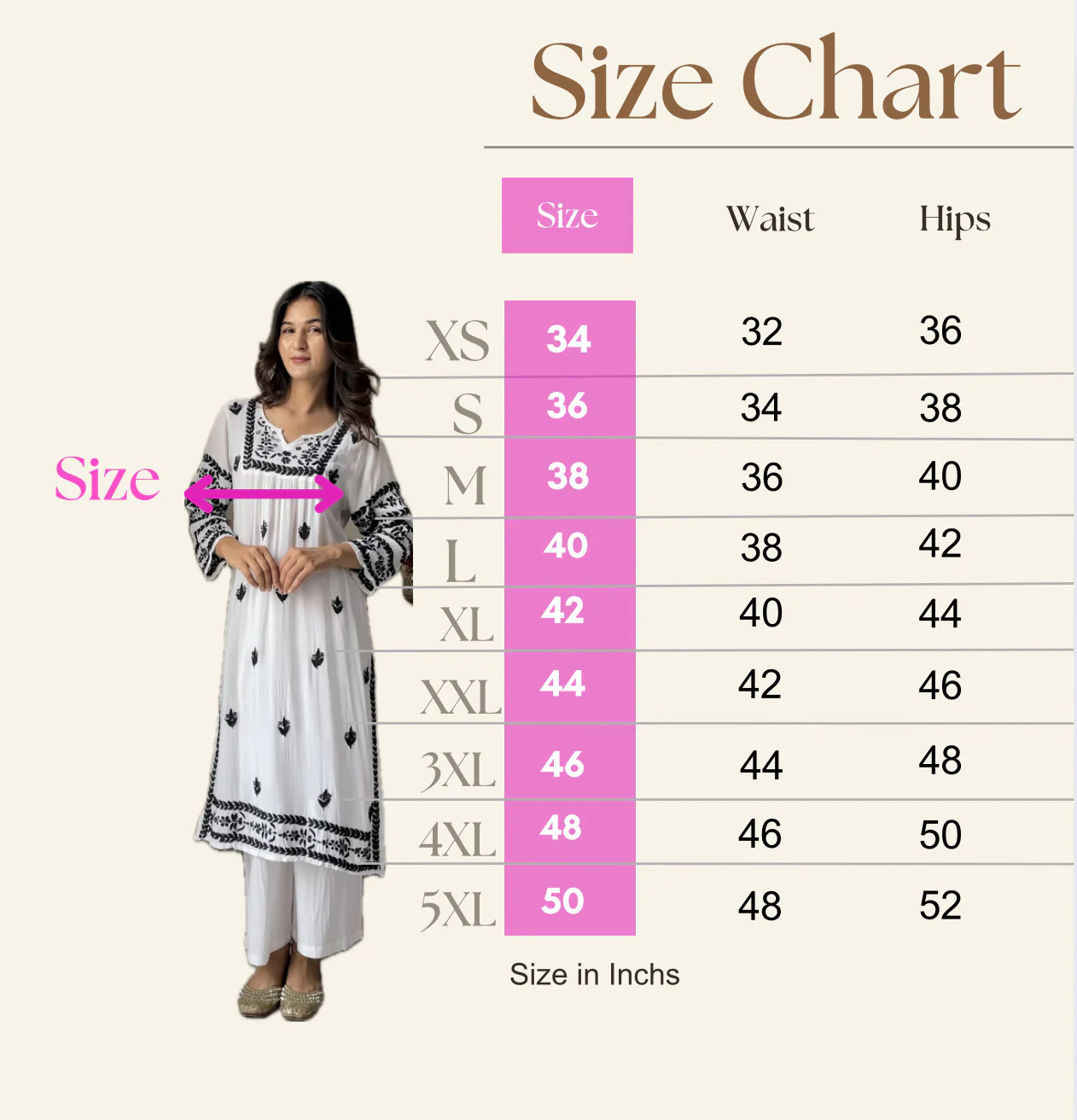
Finding clothes that truly fit can transform how you look and feel. The right fit improves comfort, boosts confidence, and makes even simple outfits appear polished. Yet sizing inconsistencies across brands make the process confusing. Understanding fit fundamentals helps you choose clothing that works with your body, not against it.
This guide breaks down how to identify your correct size and achieve a fit that feels intentional and flattering.
Understand Your Body Measurements
Clothing sizes are only useful when paired with accurate measurements. Knowing your numbers gives you control, especially when shopping online.
Key measurements to know:
- Chest or bust
- Waist
- Hips
- Inseam and sleeve length
- Shoulder width
Use a soft measuring tape and measure against your body, not over bulky clothing.
Learn How Different Fits Are Designed
Fit isn’t just about size—it’s about cut and silhouette. The same size can look very different depending on design.
Common fit types include:
- Slim fit – closer to the body with minimal excess
- Regular fit – balanced shape with room for movement
- Relaxed or oversized fit – looser and more casual
Understanding fit intent prevents sizing mistakes and unrealistic expectations.
Pay Attention to Fabric and Stretch
Fabric plays a major role in how clothing fits and feels. Stretch and structure affect comfort and appearance.
Consider fabric details such as:
- Stretch percentage
- Fabric weight
- Natural vs synthetic fibers
Stretch fabrics allow flexibility, while structured materials require more precise sizing.
Check Brand Size Charts Carefully
Sizing varies widely between brands. A medium in one brand may fit like a large in another.
When reviewing size charts:
- Compare your measurements, not your usual size
- Read fit notes provided by the brand
- Check model height and size for reference
Size charts are more reliable than labels alone.
Identify Fit Issues Early
Knowing common fit problems helps you avoid returns and frustration.
Watch for signs like:
- Pulling or tightness at seams
- Excess fabric bunching
- Restricted movement
- Uneven hems or shoulder gaps
These signals indicate a poor fit, even if the size seems correct.
Use Tailoring to Perfect the Fit
Off-the-rack clothing rarely fits perfectly. Minor tailoring can elevate an item significantly.
Tailoring works best for:
- Sleeve or pant length adjustments
- Waist shaping
- Refining shoulders or hems
A well-tailored garment often looks custom-made.
Fit Should Match Lifestyle and Comfort
Perfect fit isn’t universal—it depends on how you move and live. Comfort is just as important as appearance.
Ask yourself:
- Can I sit, walk, and move easily?
- Does this fit suit how I’ll wear it?
- Will it remain comfortable throughout the day?
If it looks good but feels restrictive, it’s not the right fit.
FAQ: Clothing Fit and Sizing
Why do clothing sizes vary so much between brands?
Brands use different sizing standards, target audiences, and fit models, leading to inconsistencies.
Should I size up or down if I’m between sizes?
Consider fabric stretch and fit type. When unsure, sizing up is often safer and easier to tailor.
How tight should clothing feel when trying it on?
Clothing should skim the body without pulling or restricting movement.
Can weight fluctuations affect fit significantly?
Yes. Even small changes can impact how clothing fits, especially in structured garments.
Is tailoring worth the extra cost?
For high-quality or frequently worn items, tailoring often improves longevity and appearance.
How can I tell if shoulders fit correctly?
Seams should align with the edge of your shoulders without drooping or pulling.
Does fit matter more than brand or trend?
Absolutely. Well-fitting clothing always looks better than trendy pieces with poor fit.
Finding the perfect size isn’t about chasing numbers—it’s about understanding your body and how clothes are designed. When fit comes first, style naturally follows.
