

Key Takeaways
- Industrial furniture combines raw materials such as steel, wood, and concrete to create a distinctive aesthetic that adds character and personality to interior spaces.
- The durability of industrial furniture makes it a long-term investment, helping homeowners and businesses reduce the need for frequent replacements and repairs.
- Although some industrial pieces may cost more upfront, their longevity and low-maintenance requirements can make them more cost-effective over time.
- Many industrial furniture designs incorporate reclaimed, recycled, or responsibly sourced materials, supporting more sustainable interior design choices.
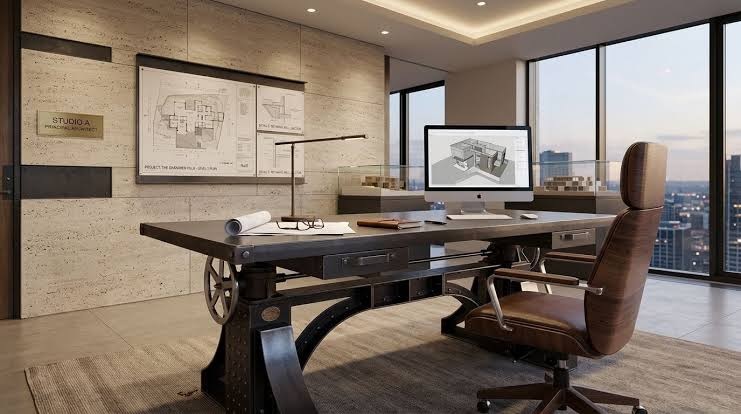
- The versatility of industrial furniture allows it to complement residential and commercial spaces, from modern apartments and lofts to cafés, offices, and retail stores.
- Businesses can use industrial-style furniture to strengthen their brand identity, create memorable environments, and provide customers with a comfortable and visually appealing experience.
Industrial Furniture Adds Character and Visual Appeal
One of the most overlooked benefits of industrial furniture is its ability to give a space a distinctive personality. Unlike mass-produced furniture that often follows predictable design trends, industrial pieces typically highlight raw materials such as steel, reclaimed wood, iron, and concrete.
These materials create a rugged yet sophisticated appearance. Visible wood grains, metal finishes, exposed hardware, and natural imperfections can make furniture feel authentic and unique. Instead of hiding imperfections, industrial design often embraces them as part of the piece’s character.
For homeowners, this aesthetic can transform an ordinary room into a visually interesting environment. A reclaimed wood dining table, metal shelving unit, or steel-framed coffee table can become a focal point without overwhelming the rest of the décor.
The style also works well when combined with other design approaches. Industrial pieces can complement:
- Modern minimalist interiors
- Rustic and farmhouse décor
- Contemporary apartments
- Vintage-inspired rooms
- Loft-style spaces
- Eclectic interior designs
The contrast between raw industrial materials and softer modern elements can create a balanced and inviting atmosphere. For example, a metal-framed table can look striking when paired with upholstered chairs, while reclaimed wood shelving can add warmth to an otherwise minimalist kitchen.
This flexibility makes industrial furniture more than a trend. It can serve as a long-term design choice that adds depth and character to different types of spaces.
2. Industrial Furniture Is Built for Long-Term Durability
Durability is another major advantage that people sometimes overlook when choosing furniture. Many industrial-style pieces are designed around strong materials and practical construction, making them suitable for environments where furniture experiences frequent use.
Steel, iron, solid wood, and other durable materials can withstand everyday wear and tear when properly manufactured and maintained. This is particularly valuable for commercial environments such as restaurants, cafés, offices, and retail spaces where furniture may be used by dozens or even hundreds of people each day.
Quality craftsmanship also contributes to longevity. Strong joints, reinforced frames, and carefully finished surfaces help industrial pieces maintain their functionality and appearance over time.
This durability provides several advantages:
- Less frequent replacement
- Better resistance to everyday wear
- Long-lasting functionality
- Reduced maintenance concerns
- Greater value over the life of the product
For homeowners, durable furniture can be especially useful in busy households. Dining tables, storage shelves, desks, and seating areas often experience considerable daily use. Choosing sturdy pieces can reduce the need to replace furniture every few years.
In commercial settings, durability can have an even greater impact. Businesses can avoid frequent replacement costs while maintaining a consistent interior design.
Ultimately, investing in well-made industrial furniture can mean choosing pieces that are designed to remain useful and attractive for years rather than following short-lived furniture trends.
Industrial Furniture Can Be More Cost-Effective Over Time
At first glance, some industrial furniture may appear more expensive than mass-produced alternatives. However, focusing only on the initial purchase price can overlook the long-term financial benefits of investing in quality furniture.
Durable pieces typically require fewer replacements. When furniture remains functional for many years, the cost of repeatedly purchasing lower-quality alternatives can be avoided.
For example, a business that purchases inexpensive tables and chairs may eventually spend more on replacements if those products wear out quickly. A higher-quality industrial table with a sturdy metal frame and durable wood surface may provide reliable service for a much longer period.
The long-term financial benefits can include:
- Fewer replacement purchases
- Lower repair expenses
- Reduced maintenance requirements
- Longer product lifespan
- Better return on investment
Industrial designs can also remain visually relevant for extended periods. Because the style relies heavily on timeless materials and simple construction, it is less dependent on rapidly changing trends.
A well-designed industrial table or shelving system may continue to look appropriate even as other aspects of an interior are updated. This makes it easier to refresh a room without replacing every major piece of furniture.
For buyers who consider both price and longevity, investing in durable furniture can be a practical financial decision.
Industrial Furniture Can Support Sustainable Interior Design
Sustainability is becoming an increasingly important consideration when furnishing homes and businesses. Another overlooked benefit of industrial furniture is its potential to support environmentally responsible design choices.
Many industrial-style pieces incorporate reclaimed wood, recycled metals, or responsibly sourced materials. Reusing existing materials can help reduce waste while giving furniture a unique appearance.
Reclaimed wood, for instance, may come from older buildings, warehouses, barns, or other structures. Instead of allowing usable wood to become waste, manufacturers can transform it into tables, shelves, cabinets, and other functional pieces.
Sustainable furniture practices can help:
- Reduce material waste
- Extend the useful life of existing resources
- Limit demand for newly manufactured materials
- Create unique furniture with historical character
- Encourage more responsible purchasing decisions
Of course, not every industrial-style product is automatically sustainable. Buyers should research how materials are sourced and manufactured before making a purchase.
Choosing furniture made with recycled or responsibly sourced materials can make a meaningful difference for environmentally conscious homeowners and businesses.
In this way, industrial design can combine aesthetics and practicality with a more thoughtful approach to consumption.
Industrial Furniture Offers Exceptional Design Versatility
Another benefit that is easy to overlook is versatility. Industrial furniture can adapt to a surprisingly wide range of environments and design styles.
Although industrial design is often associated with urban lofts and warehouses, it can work equally well in modern homes, offices, restaurants, cafés, retail stores, and hospitality spaces.
In residential settings, industrial pieces can add warmth and personality to:
- Living rooms
- Dining areas
- Home offices
- Bedrooms
- Kitchens
- Entryways
A simple metal bookshelf can complement a minimalist room, while a reclaimed wood table can bring warmth to a contemporary dining area.
The same versatility applies to commercial environments. Businesses can combine industrial furniture with modern lighting, decorative plants, colorful artwork, or softer fabrics to create a balanced atmosphere.
For example, a café might use metal chairs and reclaimed wood tables while incorporating warm lighting to create a welcoming environment. An office might combine industrial desks with comfortable seating and modern technology.
The ability to blend with different materials, colors, and design elements makes industrial furniture a flexible option for people who want to experiment with interior design.
Industrial Furniture Can Strengthen Business Branding
Furniture is often treated as a purely functional part of a commercial space, but it can also influence how customers perceive a brand.
For businesses, industrial furniture can help communicate qualities such as authenticity, creativity, durability, and modernity. These characteristics may be particularly effective for cafés, restaurants, creative agencies, boutiques, coworking spaces, and other businesses seeking a distinctive visual identity.
A thoughtfully designed industrial interior can create a memorable first impression. Customers may associate exposed metal, reclaimed wood, and minimalist structures with a brand that values originality and authenticity.
Industrial furniture can contribute to branding by providing:
- A recognizable visual identity
- A memorable customer experience
- A cohesive interior design
- A modern and authentic atmosphere
- Durable solutions for high-traffic environments
The right furniture can also encourage customers to spend more time in a space. Comfortable seating, functional tables, and an appealing atmosphere can make cafés, restaurants, and retail environments more inviting.
For this reason, furniture should not always be viewed as an afterthought. When carefully selected, it can become part of a company’s overall branding strategy.
Choosing the Right Industrial Furniture for Your Space
Before purchasing industrial-style furniture, buyers should consider the needs of their specific environment. The right choice should balance appearance, durability, functionality, and budget.
Start by evaluating the available space. Large industrial tables may work well in spacious dining rooms but could make smaller rooms feel crowded. In compact environments, consider multi-purpose pieces such as storage shelves, narrow desks, or wall-mounted solutions.
Material selection is also important. Metal offers durability and a modern appearance, while reclaimed wood can introduce warmth and texture. Combining both materials can create a balanced industrial aesthetic.
Buyers should also consider:
- The furniture’s intended use
- Expected frequency of use
- Material quality
- Maintenance requirements
- Available space
- Overall interior style
- Long-term budget
For commercial spaces, durability should be a major priority. High-traffic environments require furniture that can withstand constant use while maintaining its appearance.
For residential spaces, buyers may have greater flexibility to focus on personal style and comfort.
The best furniture choices are those that serve a practical purpose while contributing positively to the overall atmosphere of the space.
FAQ
What makes industrial furniture different from other furniture styles?
Industrial furniture typically emphasizes practical construction and raw materials such as metal, steel, reclaimed wood, and concrete. Its design often highlights natural textures, visible hardware, and simple structural elements.
Is industrial furniture durable?
Yes. Many industrial-style pieces are made from strong materials and designed for long-term use. However, durability ultimately depends on the quality of the materials, craftsmanship, and maintenance.
Is industrial furniture expensive?
Prices vary significantly depending on the materials, design, and craftsmanship. While some high-quality pieces may have a higher upfront cost, their durability and longer lifespan can provide better value over time.
Can industrial furniture work in a modern home?
Absolutely. Industrial pieces can complement modern, minimalist, rustic, vintage, and eclectic interiors. Combining raw materials with softer textures and contemporary décor can create a balanced appearance.
Is industrial furniture environmentally friendly?
Some industrial furniture can be an environmentally responsible choice, particularly when it uses reclaimed wood, recycled metals, or responsibly sourced materials. Buyers should check the manufacturer’s sourcing and production practices.
Can industrial furniture be customized?
Many furniture manufacturers and designers offer customization options. Buyers may be able to select dimensions, materials, finishes, colors, and other features to better suit their space.
Is industrial furniture suitable for businesses?
Yes. Its durability and distinctive appearance make it suitable for many commercial environments, including restaurants, cafés, offices, retail stores, and coworking spaces.
How do you maintain industrial furniture?
Maintenance depends on the materials used. Metal surfaces may require regular cleaning to prevent buildup or corrosion, while wood may benefit from appropriate cleaning and occasional refinishing. Always follow the manufacturer’s care instructions.
