

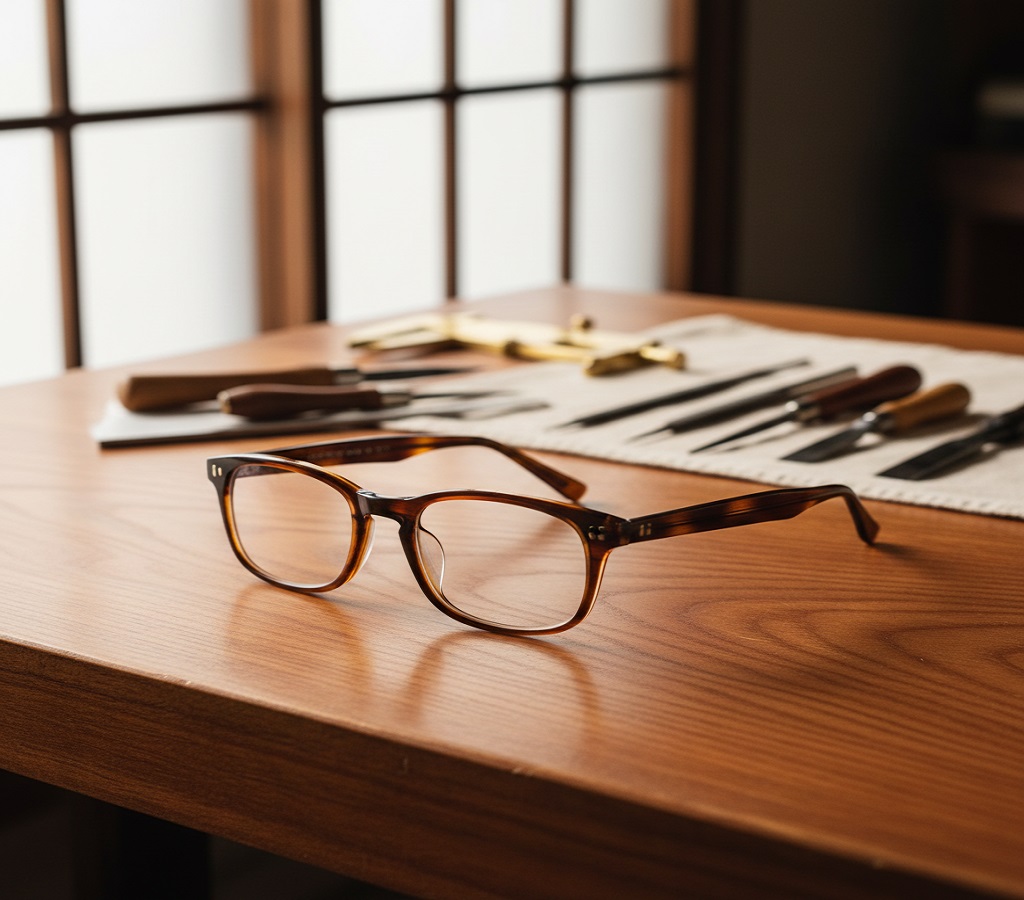
The pursuit of quality in eyewear often leads collectors and enthusiasts to the storied workshops of Japan. Japanese craftsmanship is defined by a deep-rooted commitment to precision, where every detail is considered a vital component of the final product. When you invest in handmade frames, you are not merely purchasing an accessory; you are acquiring a piece of functional art born from generations of specialized knowledge. This dedication to excellence is why discerning buyers increasingly seek out authentic, artisan-made goods over mass-produced alternatives that lack soul and longevity.
Understanding the value of handmade frames
At the heart of this industry lies the philosophy of kaizen, or continuous improvement, which drives artisans to refine their methods until perfection is achieved. Unlike factory-line manufacturing, where speed is the primary focus, the creation of handmade frames involves meticulous hand-finishing, careful material selection, and rigorous quality control. This slow production process ensures that each pair of glasses meets the highest standards of durability and comfort. For those looking to experience this level of quality, Modern sunglasses from Sun of Japan represent the pinnacle of this tradition, blending heritage techniques with contemporary styling.
The significance of regional expertise cannot be overstated when discussing premium eyewear. The Fukui prefecture in Japan is globally recognized as the epicenter of this craft, responsible for producing approximately 95 percent of all Japanese-made frames. This concentration of talent ensures that the skills required for delicate tasks like cutting, routing, and polishing are passed down through masters who treat their work with immense pride. When you choose frames from these specialized regions, you benefit from several distinct advantages:
The appeal of these frames also lies in their exclusivity and sustainable nature. Because production is kept in small batches to maintain consistency, each frame carries a sense of scarcity that mass-market products simply cannot replicate. Furthermore, the emphasis on building items meant to last aligns with a growing movement toward conscious consumption, where buyers prefer investing in one long-lasting item rather than replacing inferior products repeatedly. By choosing to support heritage brands, you are contributing to the preservation of traditional manufacturing methods that are becoming increasingly rare in our modern, automated world.
Ultimately, the investment in handmade frames is an investment in the harmony between form and function. Just as a fine frame enhances the visual logic of a piece of art, a well-crafted pair of glasses complements the individual, providing both clarity and personal expression. As consumers become more adept at identifying true craftsmanship versus marketing claims, the reputation of Japan as a benchmark for excellence continues to grow. Choosing these products is a statement of appreciation for the discipline, artistry, and historical significance that define the true essence of Japanese manufacturing.
